
Laser Doppler Vibrometry
Wide range of LDV systems
Extend usable measurement range
Reveal hidden microstructural events
Researchers investigating refractory materials at extreme temperatures face a major challenge: accurately capturing mechanical behavior as materials soften, crack, sinter, or undergo phase transformations. However, conventional acoustic sensing methods used in the impulse excitation technique (IET) quickly reach their limits at elevated temperatures because vibration signals weaken while damping effects become increasingly pronounced. Consequently, tracking changes in elastic properties and energy dissipation with precision becomes far more difficult.
To address these challenges, RFDA LT & HT(VP) units can be upgraded with a Laser Doppler Vibrometer (LDV). Unlike traditional electret microphones, which rely on acoustic detection, the LDV uses a non-contact optical approach to directly measure surface vibrations. As a result, the system can deliver accurate and reliable measurements even under conditions where conventional acoustic methods fail. Moreover, this technology represents a significant advancement in high-temperature material characterization because it enables researchers to monitor material behavior continuously and with greater confidence. Ultimately, Laser Doppler Vibrometry opens new possibilities for understanding refractory materials in demanding industrial environments.
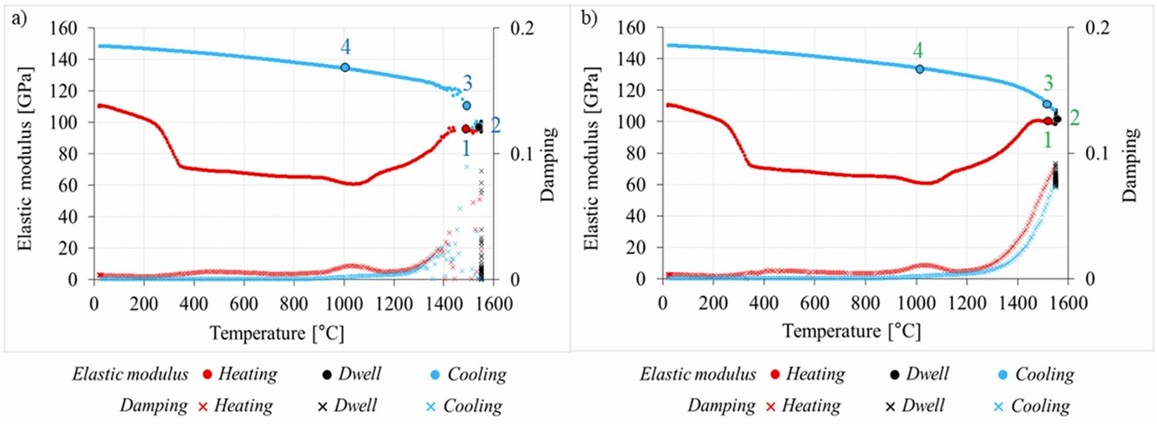
Young’s modulus evolution over temperature measured by (a) acoustic and (b) optical sensor.
Salerno, Andrea, et al. “Improving Resonant Frequency and Damping Analysis at High Temperatures via Laser Doppler Vibrometer Sensor.”
Measurement Science and Technology, vol. 36, 2025, p. 126004. DOI: 10.1088/1361-6501/ae1d99.
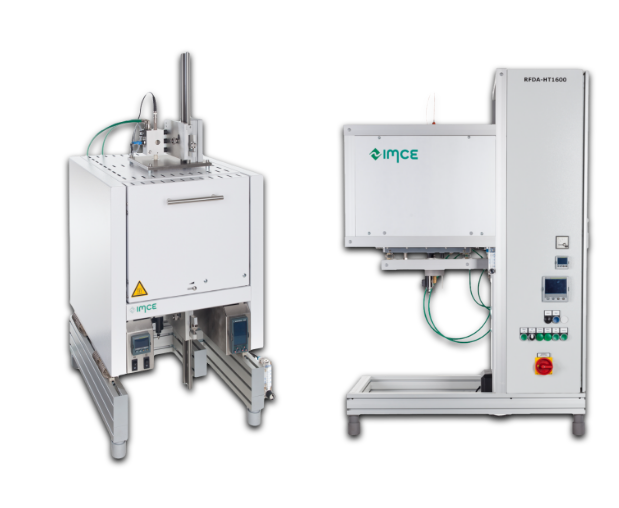
The impulse excitation technique as a key to Young’s modulus determination
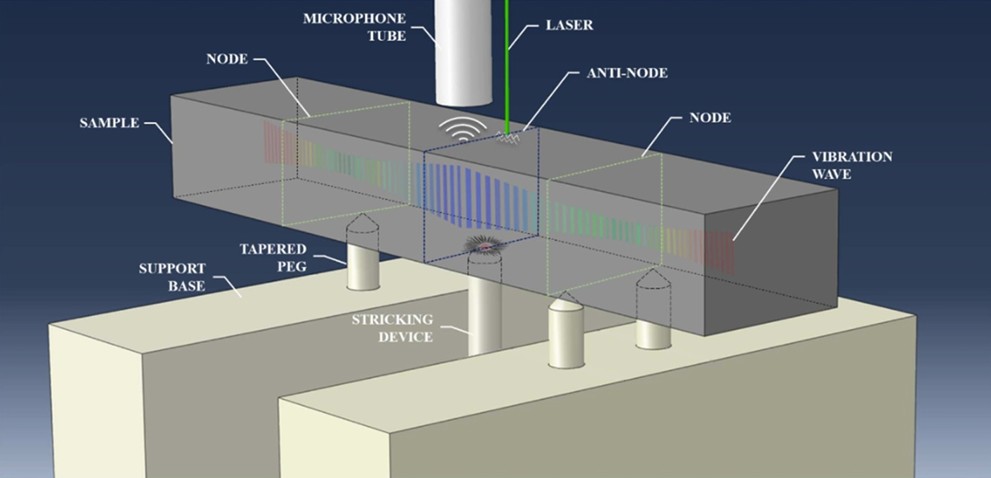
We provide the RFDA or Resonance Frequency and Damping Analyser that uses the impulse excitation technique as its cornerstone. In this technique, a single sample can be used to determine various material characteristics. Think for example about Young’s modulus, shear modulus, Poisson’s ratio and damping or internal friction. By tapping the sample with a small projectile whilst recording the induced vibration signal, using a microphone or laser vibrometer, the RFDA determines the resonant frequencies and their damping. The resonant frequency of the flexural vibration mode from a slender prismatic bar is used to calculate the Young’s modulus. This non-destructive determination of Young’s modulus and other characteristics is not limited to ceramics. It is also applicable for other material types such as refractory materials or metals like aluminium or steel
Interested to see how you can maximize your material testing capabilities?
OUR PRODUCTS
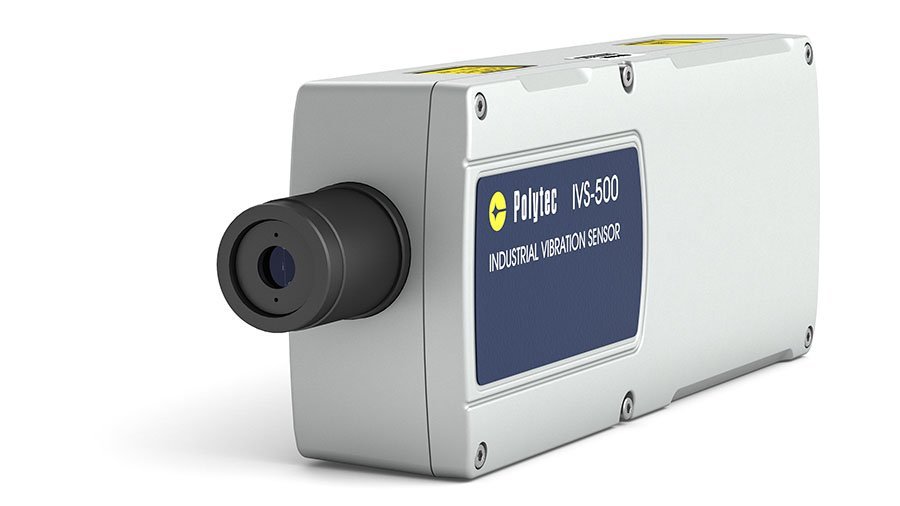
IVS-500
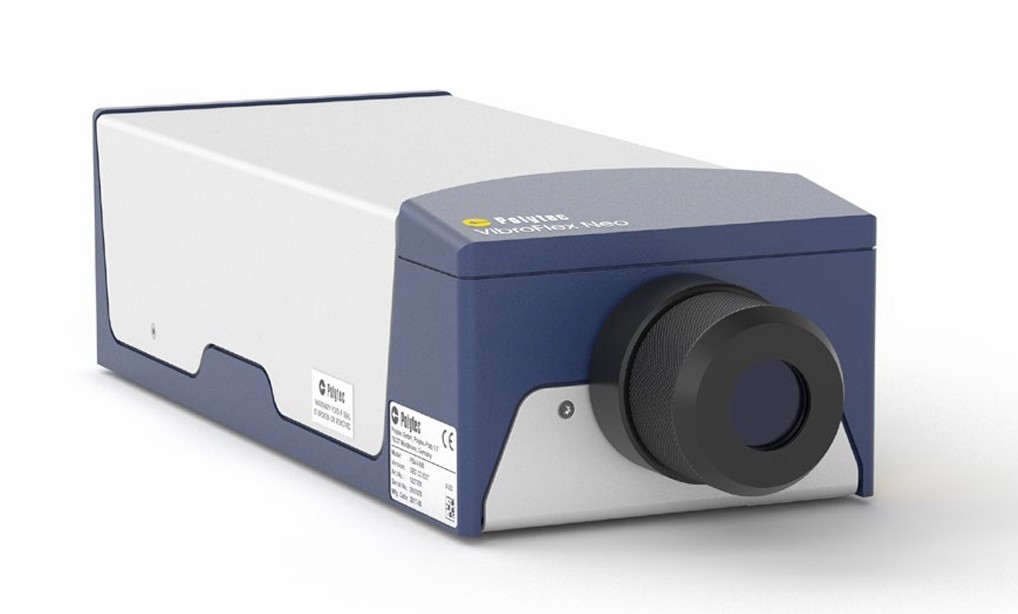
VibroFlex Neo
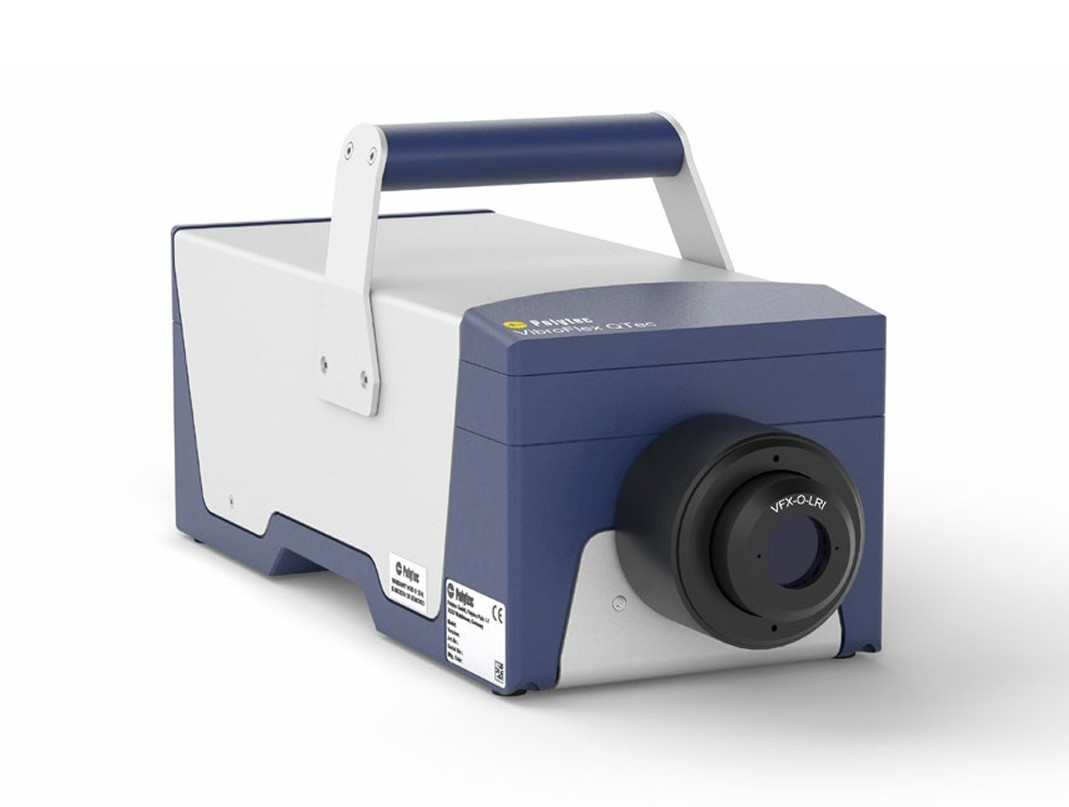
VibroFlex QTec

Key Highlights:
- Available for new RFDA systems and upgradable for existing systems
- Laser Vibrometer control is integrated in your RFDA software
- Laser wavelength from 633nm (visible red laser beam) or 1550nm (invisible, but with green pilot laser)
- Auto-Focus & Remote Focus
- Frequency range: 25 kHz (IVS-500) or 50 kHz (VibroFlex Neo or VibroFlex QTec)
Learn more about our service and measurement systems
If you would like to extend measurement range of thermo-mechanical properties such as the Young’s modulus for ceramics or other materials, we are happy to inform you about our available RFDA’s and Laser Vibrometers.